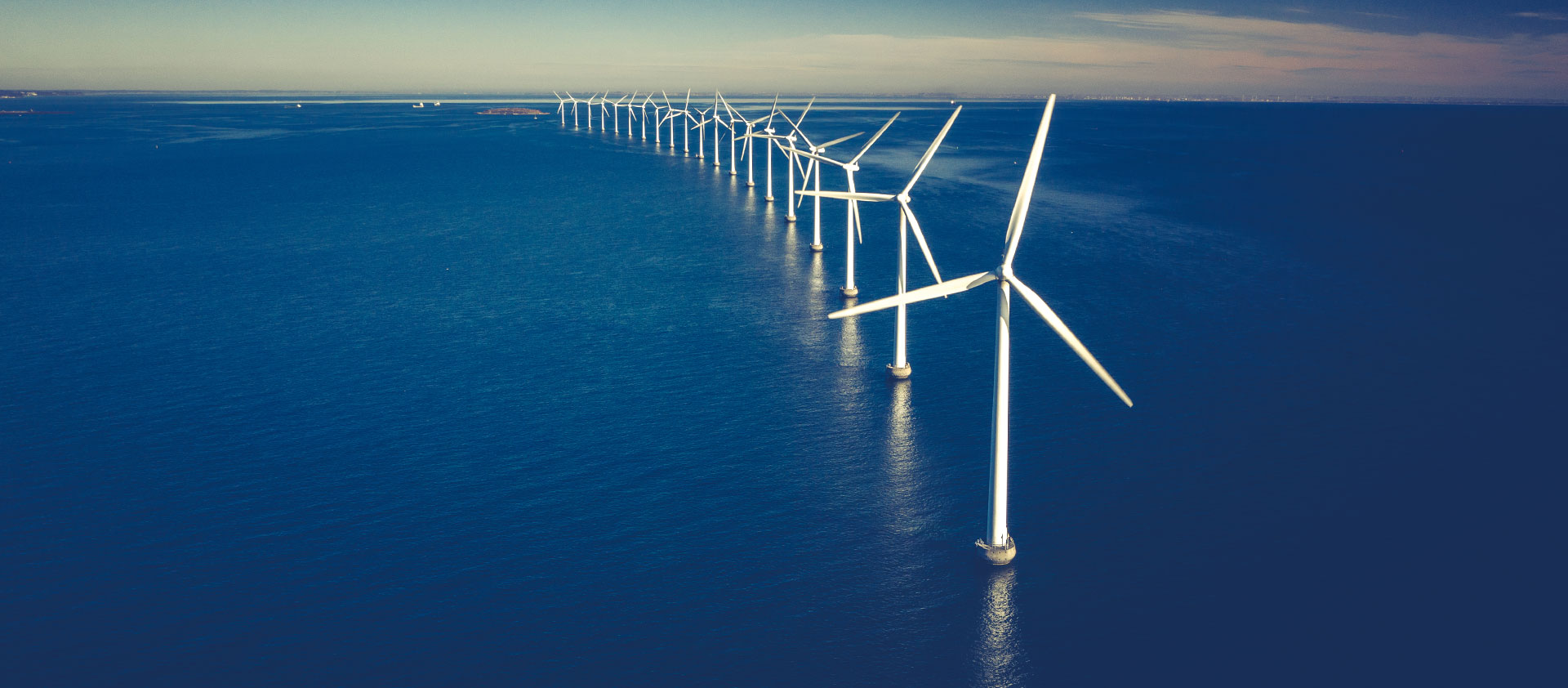
Wind farm turbines on the water

Media

CEF in the media OP ED  |  Mar 4, 2026

OP ED | War on Iran signals urgent need for Australia to end risky imported oil dependency

Pearls & Irritations

The widening conflict in the Gulf has exposed Australia’s extreme reliance on imported oil. With minimal fuel reserves and a $12 billion annual diesel subsidy to mining, energy security has become a national security emergency. The last several days have underscored the existential risk Australia runs by remaining addicted to imported fossil fuels. On 28 February, the US and Israel launched a preemptive war against Iran. Iranian Supreme Leader Ayatollah Ali Khamenei was killed. The conflict is now widening regionally, impacting energy markets worldwide. Yet the Australian government provides a $12 billion annual subsidy to keep us addicted to imported diesel, undermining our clean energy-powered Future Made In Australia, energy security and decarbonisation objectives. Read more
CEF in the media  |  Mar 3, 2026

Australian renewables pipeline “running laps” around net zero targets. It’s the pace that is lacking

Renew Economy

Nevertheless, the numbers show investment in new projects is “running laps around the targets required for Australia to hit its net zero targets”, says Climate Energy Finance director Tim Buckley. “The best way to get Australian energy prices trending down sustainably is to get more net new supply of generation online ahead of demand growth,” he said on LinkedIn. “Rooftop solar and 250,000 [behind the meter] batteries really help solve this challenge, but we need a lot more utility scale projects – scale and speed!” Read more
CEF in the media  |  Mar 1, 2026

How will datacentres affect Australia’s power prices, water supply and emissions?

The Guardian

A coalition of energy and environment groups, including the Clean Energy Council, Electrical Trades Union, Australian Conservation Foundation and Climate Energy Finance, proposed a set of “public interest principles for datacentres” that include investing in new renewable energy and using water responsibly. “If you want to build a datacentre, you should have to build the renewables and water recycling to power it,” the ACF chief executive, Adam Bandt, said. “Big tech corporations should be forced to do their fair share so they don’t drain our resources.” The Australian Energy Council says key policy questions still need answering: will datacentres need to be 100% renewable? And will that be based on total demand, or take into account when the electricity is being used? Read more
CEF in the media  |  Feb 27, 2026

INTERVIEW | Tim on ABC – Afternoon Briefing

ABC News

Tim Buckley, CEO of Climate Energy Finance, says Australia should welcome data centre investment linked to AI and renewables, but […] Read more
CEF in the media  |  Feb 26, 2026

Data centres urged to BYO clean energy, train workers

Michael West Media

Demand is expected to balloon from 1.35 gigawatts now to between 5-8 GW by 2035 on projections prepared in a Clean Energy Finance Corporation and Baringa report. New approvals should come with clear community benefits, Climate Energy Finance director Tim Buckley said. “After all, the data centres can only be built leveraging the existing publicly funded water and grid infrastructure we have all paid for,” Mr Buckley said. Climate and Energy Minister Chris Bowen said data centres should be building new solar and wind capacity and have “flexibility and redundancy” built in to protect the network. Read more
CEF in the media  |  Feb 26, 2026

‘Social backlash inevitable’: Industry demands data centres stop freeloading on Australia’s clean energy

PV Tech

Tim Buckley, director of Climate Energy Finance and a signatory to the statement, emphasised the urgency of the situation in a LinkedIn post. “Without effective planning to enable new renewable energy, the surge in demand will push up retail power prices, significantly increasing climate pollution, slowing the transition to renewables, the realisation of a Future Made in Australia, and straining electricity grids and scarce water resources,” Buckley wrote. Read more
CEF in the media  |  Feb 26, 2026

Mandate 100% clean energy for data centre approvals proposed

PV Magazine

CEF Director Tim Buckley said data centre investment is red hot, governments are expected to ensure giving approvals to new infrastructure projects comes with clear community benefits. “After all, the data centres can only be built leveraging the existing publicly funded water and grid infrastructure we have all paid for,” Buckley said. “Approvals should be conditional upon new long-term firmed renewables power purchase agreements (PPA) as a pre-requisite … and come with clear community alignment and best practice, including developing a green energy powered future made in Australia.” Read more
CEF in the media  |  Feb 26, 2026

New demand, new renewables: Industry calls on data centres to BYO solar, wind and storage

Renew Economy

The alliance notes that where data centre growth drives the need for new transmission, firming or network augmentation, those costs should not be socialised onto households and small businesses. “Data centre investment is red hot, so we expect our governments to ensure that giving approvals to new infrastructure projects comes with clear community benefits,” says Climate Energy Finance director Tim Buckley. “After all, the data centres can only be built leveraging the existing publicly funded water and grid infrastructure we have all paid for.” “Approvals should be conditional upon new long-term firmed renewables PPA as a pre-requisite.” Read more
CEF in the media  |  Feb 24, 2026

Australia’s most costly anti-climate policy hits taxpayers for $30m a day as calls mount to wind back fuel tax credits

The Guardian

The policy is known as the fuel tax credits scheme. It has received occasional attention in the past, notably in an annual report by the progressive Australia Institute. But there is now a growing chorus of people saying it is a clear fossil fuel subsidy, makes little sense and should be wound back, if not outright abolished, in this term of parliament. The scheme works like this: most Australians pay an indexed excise, currently 51.6 cents, on every litre of petrol or diesel they buy. Some businesses – those that use the fuel to run vehicles on private roads, or that drive heavy vehicles on public roads, or use diesel for machinery – get that tax refunded. Read more
CEF in the media Podcasts  |  Feb 22, 2026

PODCAST | Tim & Grant McDowell on Spark Club: Local Content Push – 20% for wind towers in Australia

Spark Club Podcast

Highlights The Clean Energy Council’s 4Q2025 report shows a rebound in large-scale renewable and storage investment across Australia, with record commissioning and strong financial activity. Five generation projects (1.2 GW) and five storage projects (1.1 GW) reached FID, while 2.1 GW of generation and 1.9 GW / 4.9 GWh of storage became operational, surpassing Q3 2025 records. The pipeline remains strong with 81 generation (13 GW) and 75 storage projects (13 GW / 35 GWh) under construction or financially committed. NSW awarded six major 8-hour battery contracts, including the 300 MW / 3,500 MWh Great Western BESS, and launched additional tenders to expand firmed renewables and accelerate zero-emissions generation. Read more
CEF in the media  |  Feb 20, 2026

INTERVIEW | Tim with Sean Murphy on ABC Upper Hunter Breakfast

ABC Upper Hunter

Tim’s interview starts at 1:06:33 in the link. The short film series Hunter at the Crossroads screens tonight in Muswellbrook, exploring local perspectives on the Upper Hunter’s coal industry. A panel will feature Tim Buckley, director of Climate Energy Finance. Tim rejected claims Australia is undermining itself by reducing domestic coal use while continuing exports, noting coal is increasingly uneconomic and investors are unwilling to fund new coal-fired power stations. In 2025, US$2.3 trillion was invested globally in clean energy, more than double fossil fuel spending, while climate-related damage costs US$1.4 trillion annually. He said coal is in structural decline, Hunter Valley exports peaked five years ago, and Australia will invest A$500 billion in energy transition over the next decade. Read more
CEF in the media OP ED  |  Feb 18, 2026

OP ED | If green iron is the future for Whyalla Steelworks, locking in gas is a dead end

Renew Economy

In a November 2025 report Climate Energy Finance (CEF) outlined a pathway for the SA government to enable and facilitate the state’s magnetite industry as a precursor to a broader green iron industry and to transform the Whyalla Steelworks in a phased approach: prioritising the construction of a new electric arc furnace (EAF) to replace steelmaking capacity, followed by a new green iron facility as green hydrogen economics continue to improve. It is also positive to see the administration process for Whyalla Steelworks has attracted interest from more than 70 parties worldwide, with five domestic and international groups now shortlisted and undertaking detailed technical, financial and operational due diligence over the coming months. Read more
Pages:1234567...103»

Sign up for updates

Sign up to receive occasional updates on major climate and energy finance news and developments, and notification of new reports, presentations and resources.

"*" indicates required fields

This field is for validation purposes and should be left unchanged.

Read our privacy statement here.

Error: