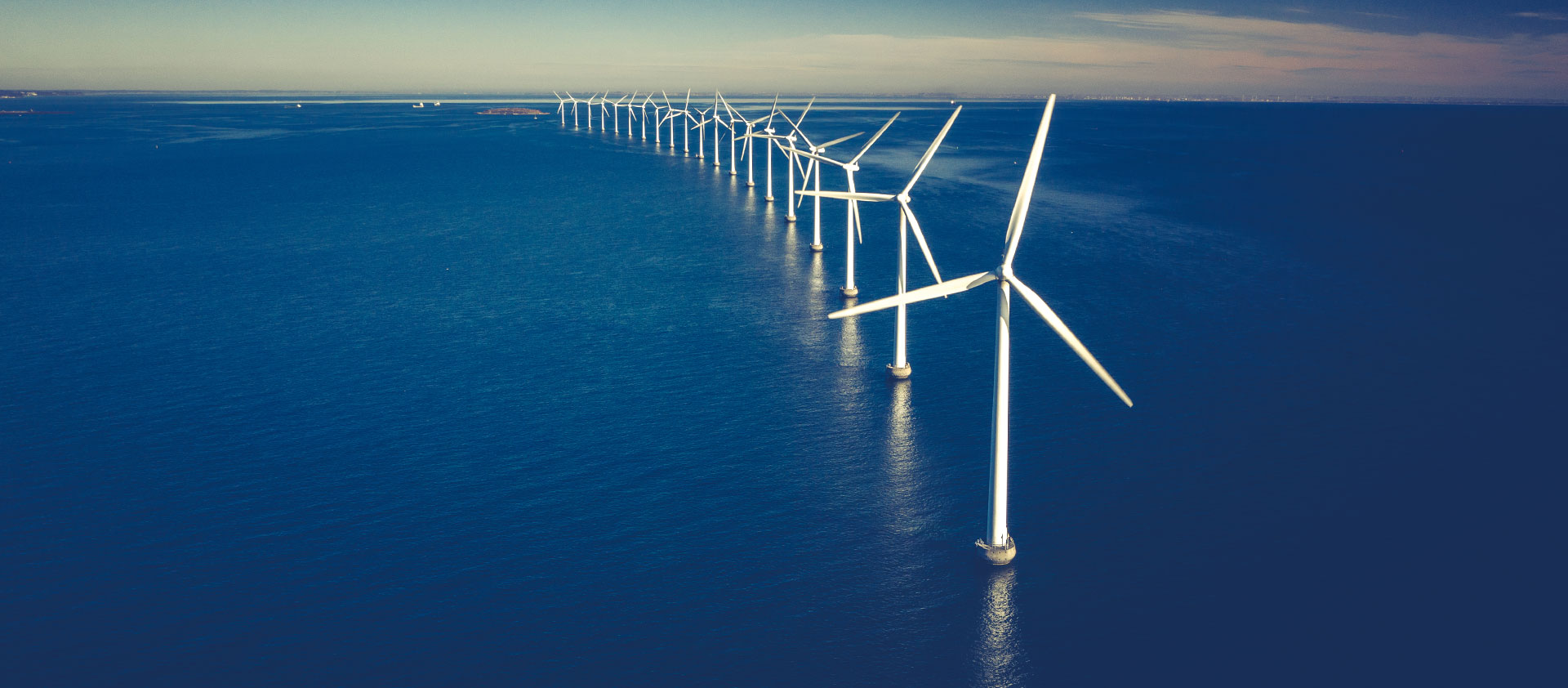
Wind farm turbines on the water

Media

CEF in the media

CEF in the media  |  Jun 3, 2026

Rising fuel costs, sup­ply woes hurt Aus­trali­ans

China Daily

Tim Buckley, founder and dir­ector of the Aus­tralian think tank Cli­mate Energy Fin­ance, told China Daily that the ABS fig­ures showed that the fuel pres­sures were hav­ing a sig­ni­fic­ant impact on Aus­tralian busi­nesses and con­sumers, “both dir­ectly, and indir­ectly” due to the rise in gen­eral infla­tion and the res­ult­ing increase in interest rates. The Reserve Bank of Aus­tralia raised the cash rate by 25 basis points to 4.35 per­cent in May, its third con­sec­ut­ive rate hike this year. “Busi­ness con­fid­ence has taken a hit, and eco­nomic activ­ity is facing a sig­ni­fic­ant head­wind as a res­ult,” Buckley said, adding that the Middle East con­flict could con­tinue for a long time. Read more
CEF in the media  |  Jun 2, 2026

Clean energy investment nearly doubles fossil fuel spending, IEA says

The Point

“While climate discussions have generally become lower priority, the heightened focus on energy security still leads to the same conclusion: decarbonisation and energy independence are strategic national priorities.” The IEA showed renewables accounted for 70 per cent of global power generation spending in 2026 and recorded the strongest growth in energy investment over the past decade, followed by electrification, grids and storage. Mr Buckley said the uptick had been driven by falling costs and rapid innovation, which have reduced the price of electric vehicles, battery energy storage systems and solar power by around 80 per cent over the past decade. Read more
CEF in the media  |  May 31, 2026

An enormous ship docked in Melbourne today. Its cargo could permanently change Australian motoring

The Sydney Morning Herald

Energy analyst Tim Buckley, the director of the think tank Climate Energy Finance, said BYD now controls every aspect of its operations, from the mining of critical materials and the design and manufacture of batteries and parts, to the construction of the vehicles themselves and their delivery around the world. As a result, it can rapidly respond to demand spikes, like the one caused by oil price increases created by the United States and Israeli attack on Iran. As well as its factories in China, it has new plants in Thailand, Brazil and Uzbekistan, allowing it not only to serve rapidly growing markets across Asia and South America but to step around tariffs in some jurisdictions applied to Chinese-manufactured vehicles. “It’s a turning point for EVs in Australia,” Buckley said. “It is an acceleration of the energy system transformation here in Australia. Read more
CEF in the media  |  Radio Interview  |  May 30, 2026

fbi.radio Backchat: BHP and Australia’s Net Zero Challenge

fbi.radio - Backchat

Tim’s interview starts at 30:26 mark Following reports by The Guardian and Four Corners, concerns were raised about BHP’s decision to step back from interim decarbonisation targets despite its commitment to achieve net zero emissions by 2050. The discussion examined whether the company had prioritised short-term economic interests over climate commitments, with allegations of greenwashing and investor deception. The interview also explored the broader implications for Australia’s climate goals, highlighting the need for greater investment in renewable energy, electrification and grid infrastructure. Particular attention was given to the Pilbara, where renewable energy penetration remains low and mining operations continue to rely heavily on imported diesel. The discussion argued that stronger policy settings and corporate leadership are essential to align Australia’s largest companies with climate science and the nation’s net zero objectives. Read more
CEF in the media  |  Podcasts  |  May 29, 2026

PODCAST | Tim & Grant McDowell on Spark Club: Diesel Fuel Rebate Underpins BHP’s Inaction

Spark Club Podcast

Highlights – ACCELERATING RENEWABLES DRIVES NEM ELECTRICITY PRICE DEFLATION Amazing to see electricity price DEFLATION being delivered in Australia in the middle of the latest fossil fuel war, with its resulting hyperinflation of global fossil fuel prices. The Australian Energy Regulator has released its final Default Market Offer (DMO) starting 1 July 2026. Residential flat rate standing offer prices will fall by between 3-5% in NSW and by 7.2% in South East Queensland compared to last year, while South Australian households will have a modest increase of 1.4%. Small businesses will see reductions across all three regions, with prices decreasing by 7-12% in South Australia, 10-14% in South East Queensland, and 9.0-21% in NSW. Earlier this week the Essential Services Commission delivered a further reduction in the Victorian Default Offer; FY2026–27 will be on average 5% lower than last year for households. For small businesses the price is down on average 6%. A major contributing factor is the record high investments into clean energy by Australia’s public – with over 400k home battery installs totalling >11GWh achieved in just 11 months, supporting the 3GW pa of rooftop solar installs. Read more
CEF in the media  |  May 29, 2026

BHP’s Diesel Addiction Is Becoming Expensive

Bloomberg

One of Australia’s biggest government programs is a diesel tax rebate that now costs taxpayers A$10.8bn a year, more than is spent on the army or navy. BHP alone received A$627m from the rebate in 2024, according to a study by Climate Energy Finance, a pro-transition group. Removing the tax break would improve the returns from electrification by about 50%, according to Fortescue. Read more
CEF in the media  |  May 27, 2026

Fortescue scales up renewables

ABC

The campaign to cap the rebate for the big miners at $50 million is gathering broad support among the crossbench, ALP branches and the unions, as well as environmental groups. There is also pressure on Climate and Energy Minister Chris Bowen to tighten up the use of offsets by the big miners in the upcoming review of the Safeguard Mechanism. If Fortescue can rapidly bring down its emissions in the Pilbara, BHP will have less justification for relying on offsets. Read more
CEF in the media  |  May 27, 2026

Labor campaign builds to cap payments to miners

ABC News

Clean Energy Finance has estimated that BHP received about $627 million in fuel tax credits in the 2024 financial year, Rio Tinto $416 million, Fortescue $309 million and Hancock Prospecting $128 million, which is paid as compensation for the taxes paid on diesel used on private roads. 4 Corners reported on Monday that leaked BHP documents showed the mining giant expected to cut emissions by just 1 per cent by 2030, and an internal memo warned its decarbonisation delays could pose a risk if there were “changes in diesel prices”, such as if the tax credit were “revoked”. Read more
CEF in the media  |  May 26, 2026

BHP dumped plans for processing plant that would cut global emissions by 1.7 million tonnes a year

ABC

China’s biggest steel maker, Baowu Steel Group, has set a goal of reducing its emissions by 30 per cent from 2020 levels by 2035 and reaching net zero by 2050. Tim Buckley from think tank Climate Energy Finance said Australia had an important role to play in helping China decarbonise its steel industry. “Decarbonising the Chinese steel industry is the single biggest decarbonisation opportunity in the world,” he said. Read more
CEF in the media  |  May 26, 2026

Solar, wind and batteries push down electricity bills for homes and business, despite global fuel crisis

Renew Economy

Tim Buckley, director of Climate Energy Finance, says the reduction in retail electricity prices coming at the same time as renewable energy penetration on the NEM reaches record high shares is “no coincidence.” “Amazing to see electricity price deflation being delivered in Australia in the middle of the latest fossil fuel war, with its resulting hyperinflation of global fossil fuel prices,” Buckley said on LinkedIn. Read more
CEF in the media  |  Videos  |  May 26, 2026

7News: BHP Emissions and WA’s Energy Transition

7News

A 7News segment examined BHP’s emissions reduction progress and questions around whether the company is on track to meet its climate commitments. BHP highlighted advances in electric mining equipment, while concerns were raised about projected emissions increases in the near term. The report also explored Western Australia’s energy transition, including the pace of renewable energy development, the state’s pathway to net zero emissions, and the need for greater investment in electrification and clean energy infrastructure. Read more
CEF in the media  |  May 26, 2026

Diesel dependency and delayed renewables put BHP under scrutiny

Mining.com

In May 2025, the company reported that “solutions are still being sought to achieve net zero”, although it has delayed its renewables rollout along with its adoption of electric trucks and trains. Tim Buckley of Climate Energy Finance has commented that BHP is not on track for its net zero 2050 goals and that its “ actions are not aligned with the science”. Read more
Pages:1234567...110»

Sign up for updates

Sign up to receive occasional updates on major climate and energy finance news and developments, and notification of new reports, presentations and resources.

"*" indicates required fields

This field is for validation purposes and should be left unchanged.

Read our privacy statement here.

Error: