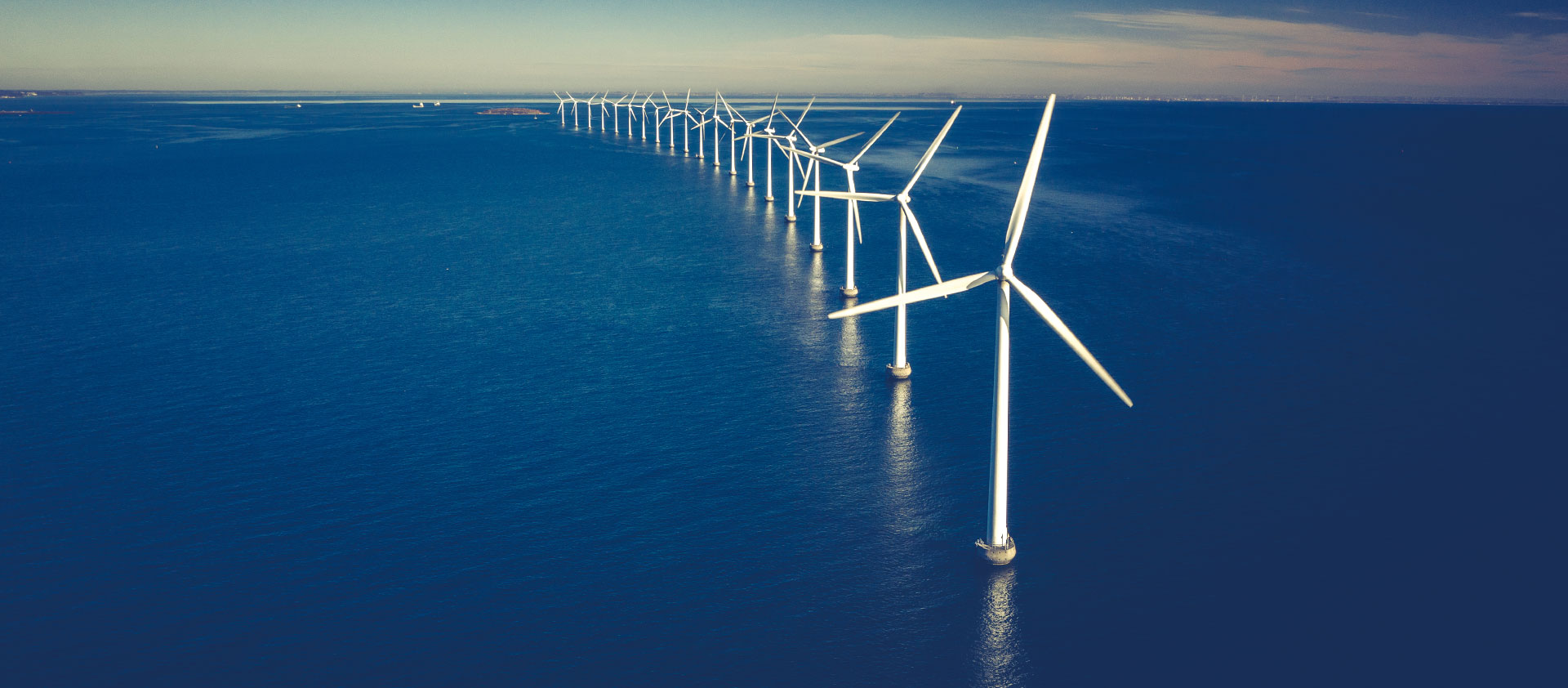
Wind farm turbines on the water

Media

CEF in the media

CEF in the media  |  Radio Interview  |  May 15, 2026

INTERVIEW | ABC Newcastle Breakfast: Renewables Drive Down Power Prices

ABC Newcastle

Tim’s interview starts at 3:06:00 Tim Buckley criticised opposition proposals to extend ageing coal-fired power stations and subsidise nuclear energy, arguing they would cost taxpayers “tens to hundreds of billions”, potentially up to a trillion dollars. He said falling wholesale electricity prices in eastern Australia, down 12% year-on-year in early 2026, showed renewable energy and batteries were already lowering costs. Buckley argued recent energy price spikes were caused by fossil fuel volatility following Russian invasion of Ukraine, not the renewable transition. Discussing Origin Energy’s Eraring plant, he warned ageing coal stations were unreliable and prone to catastrophic failures. Read more
CEF in the media  |  May 15, 2026

Australia budget delivers for EVs but falls short on fossil fuel tax reforms

Green Review

In addition, the AU$11 billion annual cost of the diesel Fuel Tax Credit Scheme remained untouched, leaving taxpayers out of pocket and disincentivising mining majors – its key beneficiaries – from investing in decarbonisation. Despite these critiques, the budget does include a massive $7.2 million home battery scheme and increased funding for the Clean Energy Finance Corporation (CEFC). “This budget reflects the many competing needs facing Australians,” said Tim Buckley, Director of Climate Energy Finance. “A glaring omission in this budget was the failure yet again to reform fossil fuel taxes and subsidies. “A good start, but we need to be more ambitious yet, the cost of climate inaction is simply too extreme to allow.” Read more
CEF in the media  |  May 15, 2026

Budget 2026: The government buckles on fossil fuel tax reform

Pearls & Irritations

Jim Chalmers on Tuesday night described the 2026-27 budget as “the most important and ambitious … in decades.” And while “climate” did not rate a single mention in the federal treasurer’s speech, “getting through the global oil shock and building resilience” topped his five-part economic strategy. But Chalmers’ strategy is notably lacking in ambition on new funding for climate and renewables – and has failed to act on what is broadly considered to be the clearest political mandate, yet, to reform fossil fuel tax loopholes and subsidies. Climate Energy Finance director Tim Buckley – while noting the $60 billion of decarbonisation and Future Made in Australia funding initiatives put in place over the last four Chalmers budgets – says this is a “glaring omission” in the context of the global fossil fuel shock and cost-of-living crisis. Read more
CEF in the media  |  May 15, 2026

China goes electric, but can it get off coal?

Deutsche Welle

The country achieved the goal of adding 1,200 GW of wind and solar capacity to the grid by 2030 five years ahead of schedule. China also produces over 80% of the world’s photovoltaic panels, helping drive down costs and accelerating the clean energy transition globally. Its quest to rid itself of dependence on foreign oil and gas has been the chief inspiration for the rapid expansion of domestic energy sources and electrification, says Tim Buckley, director of Australian think tank Climate Energy Finance. Beijing invested early in electric vehicles, and batteries, noted Buckley. Fossil fuel-free vehicles now account for more than half of all car sales in China, compared with about 19% in the European Union. Read more
CEF in the media  |  Podcasts  |  May 14, 2026

Budget’s fossil fail, and how to fix the CIS

Energy Insiders

Tim Buckley from Climate and Energy Finance joins to discuss the good, bad and the ugly from the federal budget, how to fix the Capacity Investment Scheme, and other news. Read more
CEF in the media  |  Radio Interview  |  May 14, 2026

INTERVIEW | ABC NewsRadio: Experts Warn Budget Could Slow Australia’s Renewable Energy Transition

ABC NewsRadio

Australia’s federal budget includes $10 billion to boost diesel and jet fuel supplies and create a government-owned emergency reserve, aimed at improving fuel security. Tim Buckley criticised the continued support for fossil fuels, saying the government missed opportunities to tax LNG exports and reform the $11 billion diesel rebate. He welcomed investments in electrification, batteries and decarbonisation, but said more funding was needed for electric freight, mining and transport. Climate experts said the budget largely maintains existing renewable energy support while continuing major fossil fuel subsidies, raising concerns Australia may struggle to meet its 82% renewable energy target by 2030. Read more
CEF in the media  |  May 14, 2026

Disappointment over renewables budget

ABC Radio National AM

In selling the budget’s energy policies, Jim Chalmers says they provide more fuel security for drivers and industry while also continuing support for electric vehicles and biofuels. But the budget has disappointed energy and climate change experts and advocates, who say Australia could miss its renewable energy targets. Read more
CEF in the media  |  May 13, 2026

China’s strategic vision makes it a world leader: Australian energy expert

China Daily

An Australian energy expert said China has shown strategic vision in the new energy sector, promoting clean energy technologies through the development of multiple new energy industries, reducing reliance on traditional fossil fuels, and strengthening energy security and independence. He said this is one of the reasons China has become a world leader. Read more
CEF in the media  |  May 13, 2026

Budget verdict: what the experts say

The Energy

“A glaring omission in this budget was the failure yet again to reform fossil fuel taxes and subsidies. Against the backdrop of the global fossil fuel shock and cost of living crisis, the government had the opportunity to introduce a 25% levy on gas exports to ensure a fair return to Australians as the war hyperinflates gas prices. Instead, it buckled to appease the war-profiteering gas industry. Likewise, the failed PRRT, which will deliver just $1.6bn pa over the next four years, was untouched. And the unsustainable impost of the $11bn pa diesel Fuel Tax Credit Scheme, the key beneficiaries of which are mining majors, sailed through unscathed. Read more
CEF in the media  |  May 13, 2026

Climate & energy budget just passes muster

The Energy

All in all net new funding of about $10 billion has been provided for lowering emissions across the economy and enabling energy transition in this budget and the mid-year economic and fiscal outlook, mostly through the $7.2 billion cheaper home batteries scheme but also via agencies such as the Clean Energy Finance Corporation, National Reconstruction and Net Zero funds. This is “a good start, but we need to be more ambitious yet, the cost of climate inaction is simply too extreme,” says Tim Buckley, director of Climate Energy Finance. Read more
CEF in the media  |  May 13, 2026

Budget lacks energy for big renewable project reforms

Canberra Times

CEF partner, advisory panel member and founder of Climate Capital Forum Blair Palese in Canberra Times and 100+ mastheads via AAP While the measures were welcome, the budget lacked big-ticket changes capable of speeding up Australia’s transition to renewable energy, such as a gas export levy or changes to electrify heavy transport, according to Climate Capital Forum founder Blair Palese. “For a world in transition, this budget sends a message that Australia is still stuck in the past,” she said. “It has missed the opportunity to send a strong signal to clean energy investors that Australia is growing its clean energy commitments and setting the conditions for them to invest in renewable energy projects, jobs and green industrial capability.” Read more
CEF in the media  |  May 13, 2026

Budget buckles on fossil fuel tax reform, and puts a “band-aid” over climate and energy resilience

Renew Economy

Climate Energy Finance director Tim Buckley – while noting the $60 billion of decarbonisation and Future Made in Australia funding initiatives put in place over the last four Chalmers budgets – says this is a “glaring omission” in the context of the global fossil fuel shock and cost-of-living crisis. “The government declined to introduce a proposed 25 per cent gas exports levy at a moment when prices are hyperinflated by Trump’s war in the Middle East, a reform which could have delivered $17 billion annually to the Budget and funded cost of living relief,” Buckley said on Wednesday. Read more
Pages:«1234567...111»

Sign up for updates

Sign up to receive occasional updates on major climate and energy finance news and developments, and notification of new reports, presentations and resources.

"*" indicates required fields

This field is for validation purposes and should be left unchanged.

Read our privacy statement here.

Error: