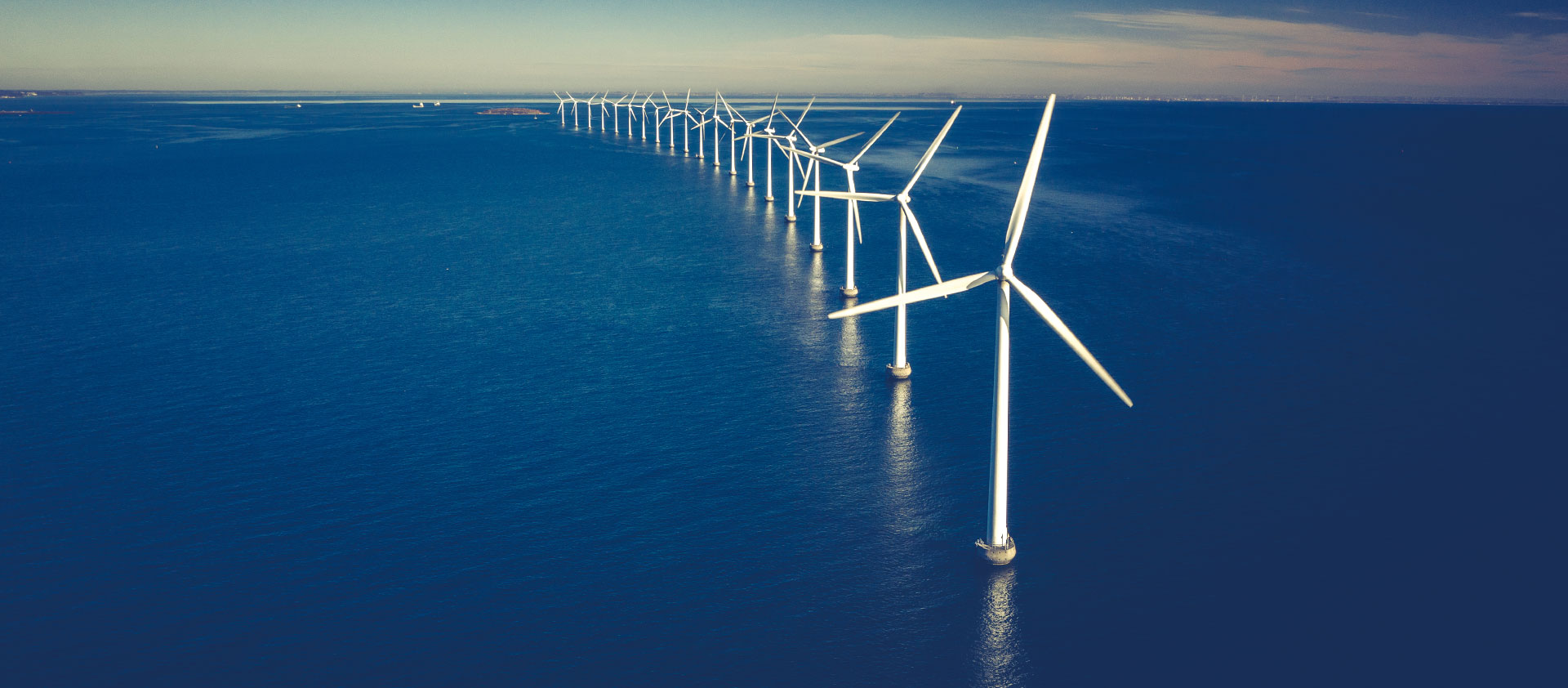
Wind farm turbines on the water

Media

CEF in the media

CEF in the media  |  Feb 10, 2026

Rapid Growth in Power Demand Meets Renewables Surge, Slower Rise for Nuclear and Gas in New IEA Analysis

The Energy Mix

On LinkedIn, clean energy finance specialist Tim Buckley says the IEA’s analysis points the way from electrification to energy independence and decarbonization. With 448 gigawatts of new renewables capacity installed in 2025 alone, he adds, the data also underline China’s massive lead in deployment. “China leads the world in all cleantech sectors, the zero-emissions growth industries of the future,” Buckley writes. “China leads in research and development, domestic manufacturing, domestic deployments, exports, and outbound foreign direct investment (OFDI) in cleantech. Dominates the world. China speed, China scale is amazing to watch.” Read more
CEF in the media  |  OP ED  |  Feb 10, 2026

OP ED | The Age of Electricity is a massive opportunity for Australia, if it can match China’s speed and scale

Renew Economy

The International Energy Agency (IEA) has announced “the Age of Electricity” in its latest report – Electricity 2026 – which highlights the rapid growth of global electrification over 2020-2025, now forecast to accelerate to 3.6% per year growth to 2030. With electrification comes both energy independence and decarbonisation, as regions and countries the world over speed their transitions to meet economic and climate goals in an increasingly fraught geopolitical landscape. Two weeks ago, the UK government joined with nine northern European countries to sign the historic Hamburg Declaration to secure a massive 100GW of new offshore wind projects. This is designed to ensure Europe hasn’t freed itself from Russian fossil fuel capture only to allow US capture instead. Read more
CEF in the media  |  Feb 3, 2026

China coal plant building surges despite record renewable energy additions

The Straits Times

China is expanding coal power despite record renewable investments to meet energy needs and ensure energy security after 2022’s shortages. New coal projects reached 161GW in 2025, with 291GW in the pipeline, potentially leading to underused plants and stranded assets. Experts recommend flexible coal plant dispatch and offline reserves to boost renewables, warning the 15th FYP must reset coal’s role. Read more
CEF in the media  |  OP ED  |  Feb 2, 2026

OP ED | Australian renewables exceed 50% of power supply in Q4

PV Magazine

Renewable generation supplied more than half of Australia’s electricity in the fourth quarter of 2025, driving wholesale power prices down by nearly 50% and coinciding with record battery output, according to the Australian Energy Market Operator (AEMO). Coal-fired generation fell 4.6% year on year to a record quarterly low, while gas-fired output dropped 27% to its lowest level in 25 years. Read more
CEF in the media  |  Podcasts  |  Feb 1, 2026

PODCAST | Tim & Grant McDowell on Spark Club: Setting the Stage for 2026

Spark Club Podcast

Big themes 2026 – From Grant McDowell In 2025 we discussed the rise and rise of China. In 2026 I think we’ll see the rise and rise of the middle powers. New world disorder is opening up opportunities for China to collaborate with the middle powers, and beyond. China has learned from the mistakes of the Belt Road Initiative and seeking to collaborate. China’s EVs are displacing over one million barrels of oil demand a day. The middle powers are moving from molecules to electrons for clean electricity and transport. Middle powers are tired of being lumbered with decades long expensive fossil generators are now leaning into many small and cheap. See Ethiopia’s ban on petrol and diesel vehicle imports. Carbon trajectory – EU CBAM helps set a new market for world trade and carbon polluting countries. So once again we’ll be following the work of Ember and Lauri Myllyirta. And our conversations will naturally include Australia. I’ll be watching our energy transformation closely as we face a chicken and egg problem. As coal generation is extended investors are reluctant to back utility scale wind and solar projects. Which then allows the coal generation to extend. Utility scale batteries will play a role, however wind generation is key and every effort should be made to deploy, deploy, deploy. Read more
CEF in the media  |  Jan 30, 2026

Labor targets $10.8b fuel tax credit scheme

The Australian Financial Review

An influential Labor environmental group has kicked off a campaign pushing Treasurer Jim Chalmers to strip big miners of lucrative fuel tax credits, arguing that it would bolster the budget bottom line and accelerate the decarbonisation of the resources sector. Labor’s powerful Labor Environment Action Network launched the grassroots campaign last week to overhaul the mining fuel tax credits, which would cost BHP, Rio Tinto and Fortescue billions of dollars. Read more
CEF in the media  |  Jan 29, 2026

Budget repair starts with confronting middle-class welfare

The Australian Financial Review

Somewhere between unchecked middle-class welfare and unsustainable spending on the National Disability Insurance Scheme, the government is losing its grip on the national credit card. The $57 billion deterioration in the budget since the May election, reported by The Australian Financial Review on Wednesday, symbolises Labor’s overarching failure to practise the financial discipline required to repair the budget. Australia’s fiscal health is being cannibalised by a sprawl of outlays. A swelling public service, rampant social spending programs led by the NDIS, higher state hospital disbursements and a suite of non-means-tested policies – such as ever more generous childcare payments – are among the litany of increasingly expensive line items. Read more
CEF in the media  |  OP ED  |  Jan 29, 2026

OP ED | Turning point: renewables surge to >50% of supply, wholesale power prices plunge, grid resilient to heatwaves

PV Magazine

The last few weeks have been an object lesson in the benefits of the transformation of our energy market, dispelling the myths promulgated by fossil fuel vested interests that increased renewable energy means more expensive power and reduced grid reliability. We have seen exactly the opposite of that: with increased extreme weather events including unprecedented heatwaves and devastating fires in southeast Australia, the grid has proven resilient under surging demand and stress, and now the Australian Energy Market Operator (AEMO) confirms that increased renewables correlates with a significant decline in wholesale prices. Read more
CEF in the media  |  Jan 27, 2026

INTERVIEW | ABC World Today: Heatwave sweeps southern Australia with Tim

ABC Radio National The World Today

During the current heat wave, with nighttime temperatures around 40°C, rooftop solar panels are struggling to supply energy, and household […] Read more
CEF in the media  |  Jan 27, 2026

Energy expert urges faster renewables push amidst Eraring expansion

98.1 Power FM

Energy analyst Tim Buckley says Australia is on the right track with renewable energy but warns the pace of change must accelerate to ensure grid reliability, affordability, and climate targets are met. Speaking after Origin Energy announced a two-year extension for the Eraring coal-fired power station, Buckley criticised the decision as a short-term fix that highlights deeper issues in the energy transition. “Coal is unreliable, expensive and destroying our planet,” he said. “We’ve had 20 outages at Callide C in Queensland in just four years. These end-of-life coal plants are the real reliability problem.” Read more
CEF in the media  |  Jan 22, 2026

China’s Wind Farms Generate More Money Than You Think

Money Digest

As the world moves towards reducing its reliance on fossil fuels and combating climate change, nations are looking to capitalize on renewable resources like solar and wind power. When it comes to the wind energy sector, China is dominating the landscape — leading in annual installations, manufacturing, as well as building on two decades’ worth of streamlining a robust supply chain. By the end of 2024, China had installed a mind-boggling 521 Gigawatts of wind power capacity, according to data from China’s National Energy Administration (via Climate Energy Finance). Read more
CEF in the media  |  Jan 22, 2026

Massive carbon capture and storage project pulled from EPBC because of reforms to federal act

Renew Economy

The withdrawal is another blow to the technology, which has so far failed to live up to its hype, partly because the financial incentives to use CCS are not strong enough. “It’s only going to work if the economics justify it and the engineering can be done,” says Climate Energy Finance director Tim Buckley. “I think CCS could work at the wellhead, but you need a high price.” He points to Chevron’s $3 billion CCS system set up to capture carbon dioxide from the Gorgon gas field, offshore from Western Australia, as an example. Read more
Pages:1234567...99»

Sign up for updates

Sign up to receive occasional updates on major climate and energy finance news and developments, and notification of new reports, presentations and resources.

"*" indicates required fields

This field is for validation purposes and should be left unchanged.

Read our privacy statement here.

Error: